FHA Loan Eligibility and Requirements
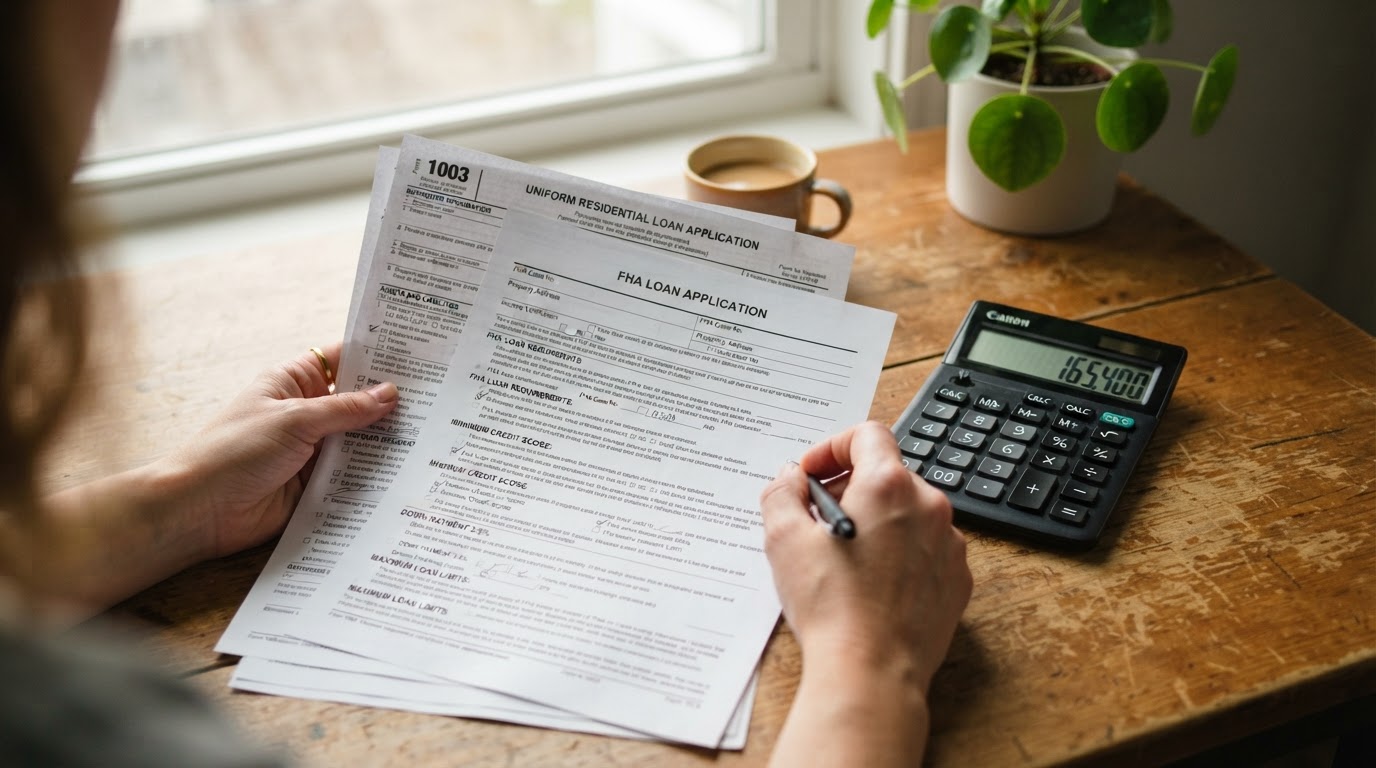
FHA loans open the door to homeownership for borrowers who may not qualify for conventional financing. Here is a clear breakdown of what the program requires and what underwriters actually review.
FHA loan eligibility is one of the most searched topics in mortgage lending, and for good reason. The program exists to make homeownership accessible to borrowers with smaller down payments and more flexible credit histories. But flexible does not mean automatic. The Federal Housing Administration sets minimum guidelines, and every approved lender must underwrite the full borrower profile before issuing a final decision.
Understanding the requirements before you apply saves time and reduces frustration. This guide covers the credit score minimums, down payment rules, debt-to-income guidance, property standards, and documentation that underwriters actually review when evaluating an FHA loan application.
FHA Credit Score Requirements
The FHA allows a minimum FICO score of 580 for borrowers seeking the 3.5% minimum down payment option. Borrowers with scores between 500 and 579 may still qualify, but they must put down at least 10% of the purchase price. These are the FHA floor guidelines.
In practice, many FHA-approved lenders apply their own credit overlays, which means they may require a higher minimum score than the FHA baseline. A score of 620 or 640 is a common lender overlay. This is not a contradiction of FHA rules. It is the lender setting its own risk tolerance on top of the government minimum.
If your score is below 580, it is still worth having a conversation with the Funding Department. We can review what is driving the score and whether a few targeted changes could move you into qualifying range within a realistic timeline.
Down Payment Rules
The minimum down payment on an FHA loan is 3.5% of the purchase price for borrowers with a FICO score of 580 or above. For a $400,000 home, that is $14,000. This is one of the lowest down payment thresholds available in mainstream mortgage lending.
The down payment can come from your own savings, but it can also come from a gift provided by a family member, employer, or approved nonprofit. Gift funds must be properly documented to show they are not a loan disguised as a gift. The donor must provide a gift letter stating no repayment is expected.
Down payment assistance programs can also be layered with FHA loans in many states. These programs vary widely by location and income limits, so it helps to ask what is available where you are buying.
Debt-to-Income Ratio Guidance
FHA guidelines generally look for a debt-to-income ratio at or below 43%, though the FHA does allow some flexibility through manual underwriting when compensating factors are present. Your debt-to-income ratio, often called DTI, is the percentage of your gross monthly income that goes toward debt payments including the new mortgage.
Compensating factors that can support a higher DTI include strong cash reserves after closing, a history of stable income, or a payment shock that is minimal compared to your current housing costs. Underwriters evaluate the whole picture, not just the ratio in isolation.
If your DTI is above 43%, do not assume you are disqualified. The right move is to get a full review of your income, debts, and assets so you can see where you stand and what adjustments might help.
Property Requirements
FHA loans can only be used for primary residences. You cannot use an FHA loan to buy an investment property or a second home. You can, however, use an FHA loan to buy a 1- to 4-unit property as long as you intend to live in one of the units.
The property must also meet FHA minimum property standards. An FHA appraisal includes an inspection of basic condition and safety items. The appraiser is looking for working utilities, sound structure, adequate access, and the absence of major health or safety hazards. If the appraiser flags required repairs, those must be completed before the loan can close.
This is different from a conventional appraisal, which focuses primarily on value. The FHA appraisal is both a value assessment and a basic condition check. It protects the borrower and the insurance fund.
Documentation Underwriters Review
Be prepared to provide two years of tax returns and W-2s, recent pay stubs covering 30 days, and two months of bank statements for all accounts used for down payment and reserves. If you receive gift funds, the donor's bank statements may also be required to source the gift.
Self-employed borrowers should expect to provide two years of business and personal tax returns, a year-to-date profit and loss statement, and sometimes business bank statements. Underwriters want to see that self-employment income is stable and likely to continue.
The more organized your documentation is upfront, the smoother underwriting goes. Missing or inconsistent documents are the most common cause of delays, not the credit score itself.
We review a lot of FHA pre-qualifications, and the pattern we see is that borrowers focus almost entirely on the credit score while underwriters are looking at the full file. A 620 score with clean documentation, stable income, and a reasonable debt ratio closes far more often than a 680 score with unexplained deposits or gaps in employment history.
If you are close on any requirement, whether it is credit, down payment sourcing, or DTI, tell us early. We can usually map out a short plan that gets you into qualifying range. What we cannot do is fix a documentation problem three days before closing. The earlier we see the full picture, the more options you have.
Frequently Asked Questions
Have Questions About FHA Loans?
Talk to the Funding Department. We will review your situation honestly and show you every option that fits.
By the Funding Department, Keystone Home Loans & Realty
The Funding Department at Keystone Home Loans & Realty helps borrowers across all 50 U.S. states navigate purchase and refinance lending decisions with clear, options-focused guidance.